Pathways to a fair, inclusive, and innovative data economy for sustainable food systems.
Summary
The European Data4Food2030 project is designed to improve the data economy for food systems. It will work to define the data economy and map its development, performance and impact. Bringing together scientists and stakeholders in the field from 12 European countries, this project also aims to provide a robust monitoring system to ensure a fair and sustainable data economy.
The project will improve the economics of data for food systems by broadening its definition, mapping its development, performance and impact to create new insights and opportunities.
Europe-wide use cases of Data Economics for Food Systems at the micro- and meso-economic level.
Circular economy tourism: Case study developed by AnySolution
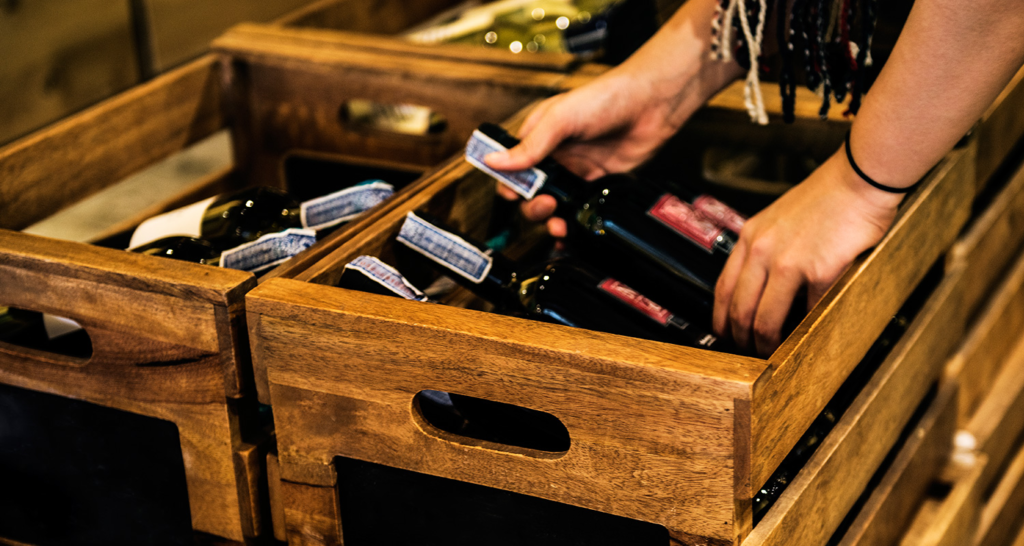
This case study aims to map all existing data sources that can drive the generation of an agri-food data economy, focusing on almonds and wine with Designation of Origin, and those marketed and produced by cooperatives. Once the importance of data management has been demonstrated, it will be exported to the rest of the cooperatives and farms in the Balearic Islands. The use case will promote efficiency, facilitate sustainable actions and improve business practices through:
inform and work with all stakeholders to establish the necessary ecosystem that can generate a data economy.
use the NADIA platform to collect and share all this data among stakeholders.
The NADIA platform will facilitate product traceability and facilitate the certification process for farmers, while placing the Balearic Islands agri-food sector on the global stage.